


Recently, a story was posted on an online community by an international student who had returned home after spending half a year in Korea. The student, who cried for a long time in their car, shared that they had met lifelong friends and developed a sense of independence in Korea. However, upon returning home, they felt that while the world remained the same, they had completely changed, leading to a severe case of “reverse culture shock.” Interestingly, this isn’t an isolated case. There are many foreigners who suffer from intense homesickness for Korea after returning to their home countries, or who eventually pack their bags and move right back. What exact experiences shake them up so deeply?
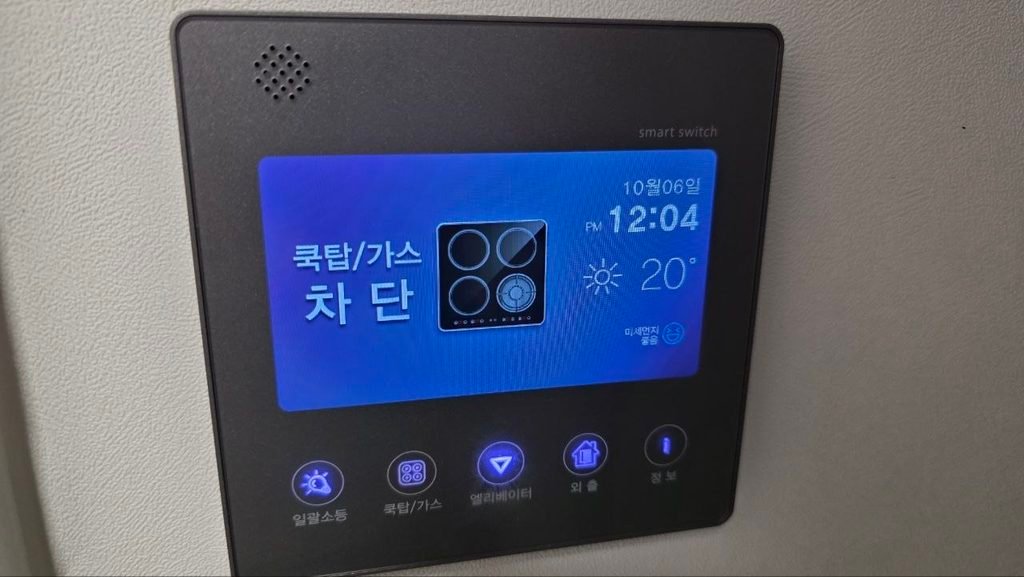
It doesn’t start with anything grand. The small, everyday conveniences that were taken for granted in Korea turn into a deep longing the moment they return home. One foreigner was amazed to find that pressing an incorrectly selected elevator button a second time cancels it, noting, “In my country, if you press the wrong button, you just have to deal with the consequences.” The experience of looking for a staff member without knowing that cutlery and napkins were in a drawer beside the restaurant table quickly becomes second nature. Back in their home countries, they find themselves unconsciously trying to open a non-existent drawer under the table or fumbling to press a call bell that isn’t there. Opening doors with a passcode instead of a bunch of keys and calling the elevator in advance via a wall pad before leaving the house—this detailed digital lifestyle also becomes a deeply ingrained habit.
However, the biggest shock begins the moment they step outside their homes. In Korea, convenience stores, restaurants, and pharmacies are just steps away, and a dense public transit network is accessible with a short walk, so there is rarely a need to grab car keys. On the other hand, returning to car-centric countries like the US means confronting the inconvenient reality of having to rely on a car and a steering wheel for every route once again. One foreigner who lived in Korea for eight years even confessed that they had become so accustomed to walking and public transit that they dreaded living in their home country, where driving is an absolute necessity.

This difference becomes even more stark for parents raising children. In Korea, even an eight-year-old child can safely walk to school, Taekwondo, and piano academies on their own. In the US, however, parents have to drive their children to every single activity, spending hundreds of hours a year on the road. While living in Korea, they enjoyed a living radius so pleasant and comfortable that they didn’t even realize how much they were walking as they constantly moved on foot to subway stations, cafes, and supermarkets. The small, meticulous daily infrastructures of Korea that were initially just fascinating novelties have become the deepest, most indelible reason for their homesickness upon returning to their home countries.
However, the everyday lifestyle they once took for granted in Korea often turns out to be their biggest inconvenience back home. Once this new standard of living is set, the longing for Korea pops up in the most trivial moments—like getting hungry late at night.
For foreigners in Korea, 24/7 convenience stores and seamless delivery services are game-changers. One expat recalled buying snacks at an unmanned ice cream shop late at night, noting that in the U.S., such honor-system stores would likely go out of business due to theft. To them, it wasn’t just about the technology, but how deeply these unmanned cafes and fully stocked convenience stores were integrated into daily life. Furthermore, a delivery culture that brings food to you anywhere—even right to your picnic mat at the Han River—becomes an ingrained habit. Once they leave, the absence of being able to instantly resolve a late-night craving hits incredibly hard.
The longing grows even stronger when they fall ill. A U.S. expat in Korea was amazed to finish her doctor’s consultation, medical tests, and follow-up within a few days, while her sister back in America was still waiting weeks just to secure an appointment. Another woman, who returned to Colorado after living in Korea for 20 years, suffered “reverse culture shock” over the medical system. In Korea, treating a cold cost her less than $30, with a pharmacy conveniently located right next door. Back in America, she suddenly had to navigate complex insurance networks and high costs. What they miss isn’t a specific hospital, but the simple, fast, and affordable process of getting better without financial anxiety.
Beyond convenience and healthcare, what returning expats miss the most is the profound sense of safety. Taking a late-night stroll to the convenience store was so normal in Korea that they never gave it a second thought. An American expat named Cheri shared how she was initially terrified by how trusting Koreans are. She vividly remembers seeing a Louis Vuitton bag left completely unattended on a stroller in the middle of crowded Myeongdong. Ironically, she found herself nervously guarding the stranger’s bag, terrified it would be stolen. Leaving valuables in public or walking down dark alleys at night were things she’d never dare do back home, but in Korea, this extraordinary level of safety was simply everyday life.
This reverse culture shock extends far beyond safety; it fundamentally changes how expats perceive time. While foreigners are initially overwhelmed by Korea’s famous “ppalli-ppalli” (hurry-hurry) culture, it soon becomes their new normal. Accustomed to lightning-fast services and overnight or even same-day deliveries, they return home only to find themselves incredibly frustrated by slow shipping and delayed services. Once bewildered by Korean impatience, they realize that they, too, have lost the ability to wait.
For many, this longing goes beyond mere nostalgia—they actually pack their bags and move right back to Korea. One expat left to hike the Appalachian Trail and live in Thailand, yet couldn’t stop thinking about Korea, eventually returning to accept a teaching job. Another lasted only eight months in the U.S., finding his home country “slow and boring” compared to the “fast and exciting” life he left behind, and promptly returned to Korea. Even years after leaving, many expats continuously contemplate finding a way back.
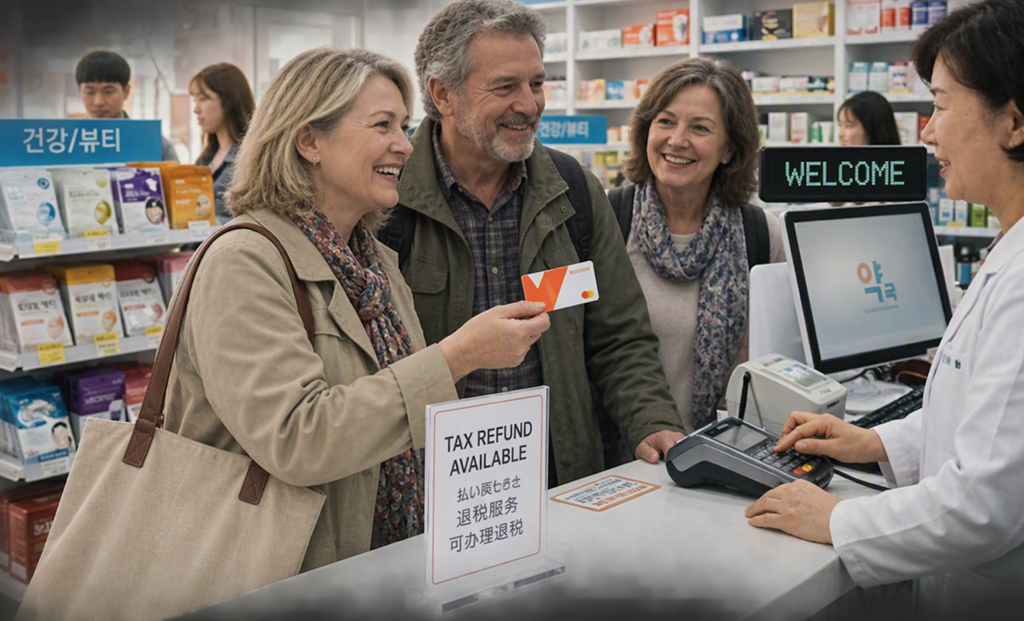
Due to low global medicine prices, sales at Korean pharmacies have increased by 150%.
Ultimately, what these foreigners miss the most isn’t just the late-night safety, the convenient infrastructure, or the fast-paced lifestyle. It is the Korean people. The deep-rooted warmth and affection, known as Jeong—experienced through locals who offered help, remembered their faces, and treated them like family—makes leaving a tearful experience. Korea transforms from a merely convenient country into a place of profound human connection. The highly efficient daily life, combined with the genuine warmth of its people, creates unforgettable memories that make foreigners not just want to visit, but truly want to live there again.
So far, I’ve shared the stories of expats who returned to their home countries after living in Korea. If you want to know more from a Korean’s perspective, please leave a comment below and I’d be happy to answer!
Discover more from after52life.com
Subscribe to get the latest posts sent to your email.